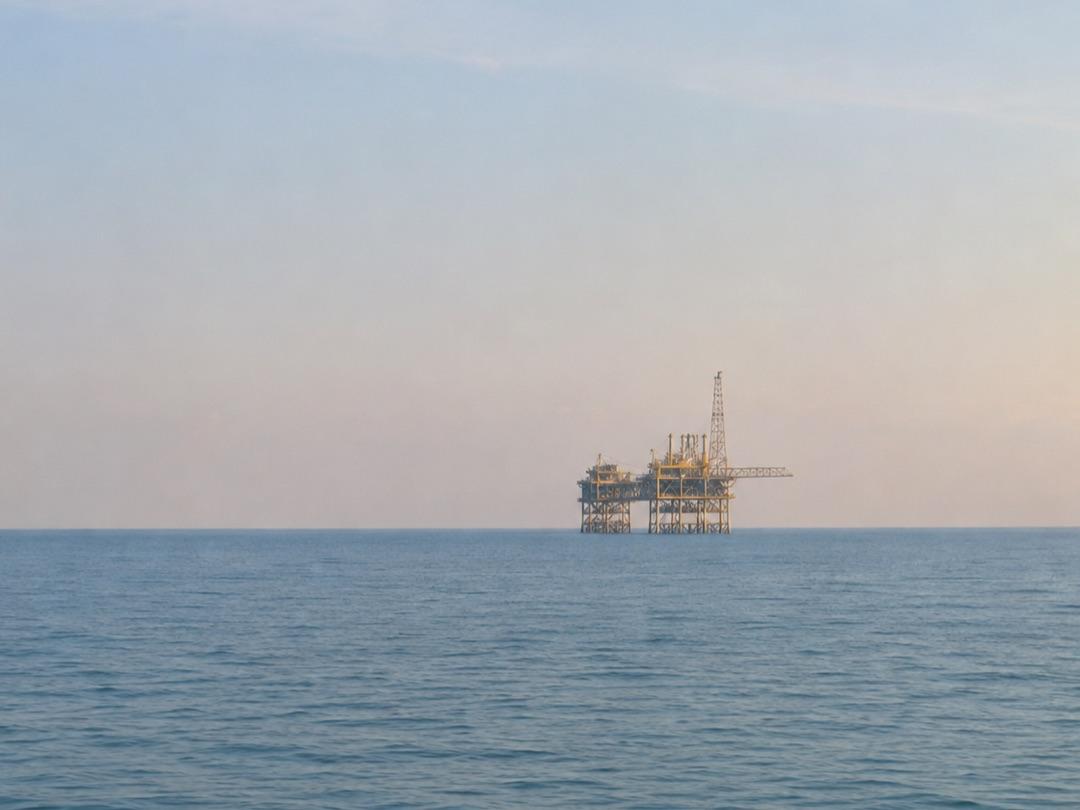
Talks between BP p.l.c. (
BP) and Energean over BP's oil and gas assets in Egypt have stalled, Reuters reported on Tuesday, November 17, 2026, citing four people familiar with the matter.
What was reported
According to Reuters:
- the talks have not secured the support of the Egyptian authorities
- the people said Egyptian officials do not want a major investor such as BP to reduce its presence in the country
- this could end Energean's pursuit of the assets
- the assets under discussion reportedly include BP's stakes in the producing West Nile Delta fields and its 50% contractor interest in the Temsah concession
- BP and Energean declined to comment, and an Egyptian government representative did not respond to a request for comment
According to the Egyptian business publication EnterpriseAM, exclusive negotiations between the two companies began in late August. Neither company has announced an agreement, and the report describes talks that have stalled, not ended.
Why governments have a say
In many countries, oil and gas fields are developed under agreements with the state, such as concessions or production sharing agreements. Transferring a stake in these assets to another company usually requires approval from the government or the national oil company. This gives the authorities an important role in any sale, and a deal can be delayed or blocked if that approval is not given.
Asset sales in the oil and gas industry
Large energy companies regularly sell some assets and buy others to focus on the regions and projects they consider most important, to reduce debt or to fund new investments. Buyers are often smaller, specialised producers that want to add output. Such sales can take months to agree and complete, especially when several partners and governments are involved.
What the reported assets are
The West Nile Delta is a group of offshore gas fields in the Mediterranean Sea off the coast of Egypt, which BP develops with partners. The Temsah concession is an offshore area where oil and gas are produced. A contractor interest means a share in the rights and obligations of a concession agreement with the state, including a share of the costs and the production. Gas produced in Egypt is used mainly in the country's own power stations, industry and homes.
What BP does
BP is one of the world's largest energy companies. It produces oil and natural gas, runs refineries and fuel stations, trades energy and invests in lower-carbon businesses. BP operates in many countries, and Egypt is one of the places where it produces natural gas, mainly offshore in the Mediterranean.
Who Energean is
Energean is an oil and gas producer focused on the Mediterranean, with operations in countries including Israel, Egypt, Italy and Greece. Energean is listed in London and Tel Aviv and is not available on Investing.one.
What to watch
Key items include any statement from BP, Energean or the Egyptian authorities, whether the talks resume or end, and any other interest in the assets. BP's next quarterly results may also include updates on its asset sales and its plans for its portfolio.
Risks and uncertainties
The information above is based on media reports citing unnamed sources and has not been confirmed by the companies. Asset sales may not be completed, and their terms can change. Energy companies are exposed to changes in oil and gas prices, regulation and political conditions in the countries where they operate, and their shares can be volatile.
What this means for investors
For Investing.one users following BP, the status of its asset sales in Egypt may be relevant. Any official announcement would come from BP or Energean.
Sources
This is not investment advice. Your capital is at risk.