What does Nvidia do?

Nov 12, 2026
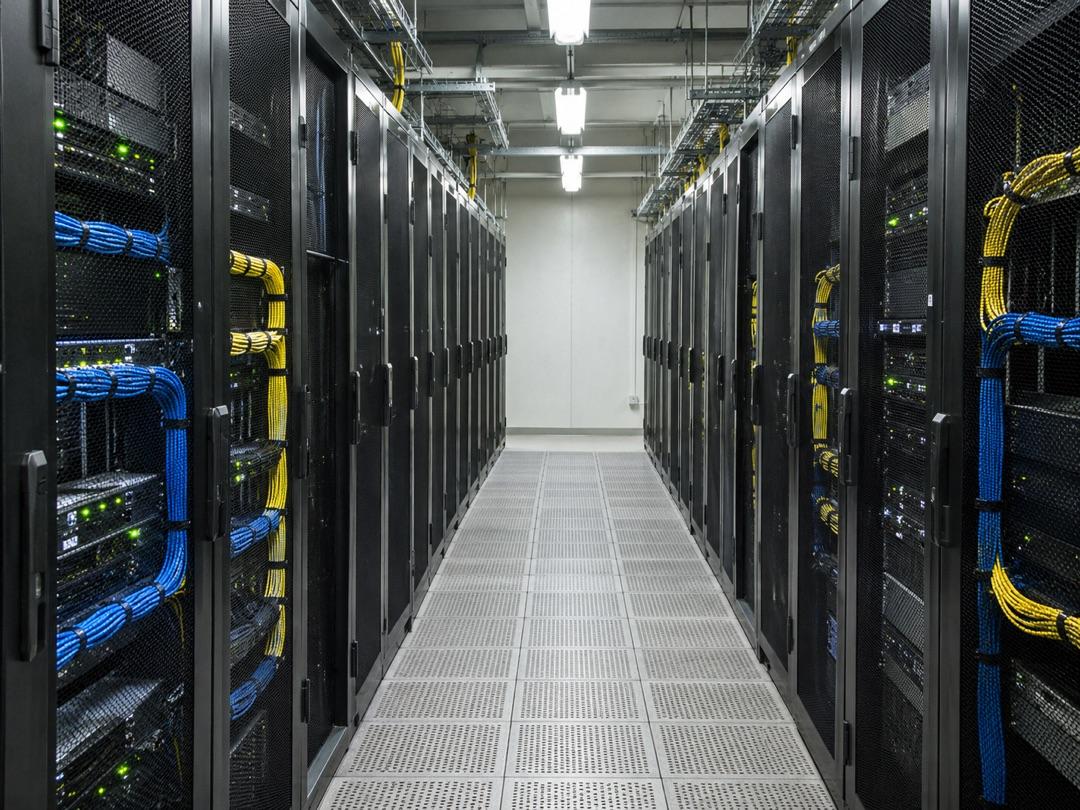
Server racks in a data centre aisle
Nvidia (NASDAQ: NVDA) is one of the best-known technology companies in the world. Its chips are used to train and run artificial intelligence (AI) models, to power video games and to design products in many industries. This profile explains where the company comes from, what it makes, how it earns its revenue and the main risks it faces.

A short history

Nvidia was founded on April 5, 1993, by Jensen Huang, Chris Malachowsky and Curtis Priem. Jensen Huang has led the company as chief executive since its founding. Nvidia is headquartered in Santa Clara, California.
In 1999, Nvidia introduced what it called the GPU, or graphics processing unit, a chip designed to handle graphics. In 2006, it launched CUDA, a computing platform that lets developers use GPUs for general calculations, not only graphics. This made GPUs useful for scientific computing and, later, for AI.

What a GPU is

A central processing unit (CPU), the main chip in most computers, is designed to handle a wide range of tasks one after another. A GPU has thousands of smaller cores that can carry out many simple calculations at the same time. This kind of parallel processing is well suited to graphics, where millions of pixels need to be calculated at once, and to AI, where models are trained on large amounts of data using many repeated calculations.

What Nvidia sells

Nvidia does not manufacture its own chips. It designs them and relies on contract manufacturers to produce them. Its main products include:
  • Data centre platforms: GPUs and full systems used by cloud providers, internet companies and other businesses to train and run AI models
  • Networking: equipment that connects thousands of chips so that they can work together in large data centres
  • Software: tools such as CUDA and AI software that developers use to build applications on Nvidia hardware
  • PC and gaming chips: GeForce graphics cards for gaming and personal computers
  • Workstations, automotive and robotics: chips and platforms for professional design work, driver assistance and self-driving systems, and robots

How Nvidia reports its revenue

In May 2026, Nvidia moved to a new reporting framework with two market platforms:
  • Data Center, which includes revenue from public clouds and the largest consumer internet companies, as well as AI clouds, industrial and enterprise customers
  • Edge Computing, which covers devices for AI outside the data centre, including PCs, game consoles, workstations, AI-RAN base stations, robotics and automotive
For the second quarter of fiscal 2027, which ended on July 26, 2026, Nvidia reported total revenue of $96.2 billion. Data Center revenue was $89.0 billion and Edge Computing revenue was $7.2 billion, according to the company's results release. Nvidia's fiscal year ends in late January, so its fiscal 2027 covers most of calendar 2026.

Who its customers are

Many of Nvidia's largest customers are cloud computing providers and large internet companies that build data centres for AI. Other customers include companies that offer AI computing capacity, carmakers, PC makers and businesses in industries such as healthcare and manufacturing. Gamers and other consumers buy Nvidia graphics cards through retailers and PC makers.

Competitors

Nvidia competes with other chip companies that make GPUs, CPUs and AI accelerators, such as AMD and Intel. Some large technology companies also design their own AI chips for use in their data centres. In networking and in chips for cars and robots, Nvidia faces other specialist suppliers.

What to watch

Nvidia publishes its results every quarter. The company has scheduled a conference call on Tuesday, November 17, 2026, to discuss its results for the third quarter of fiscal 2027, which ended on October 25, 2026. Items that investors often follow include Data Center revenue, the company's outlook for the next quarter, gross margins, supply of new products and comments on demand from large customers.

Risks and uncertainties

  • Customer concentration: a large part of revenue comes from a small number of very large customers, so changes in their spending can have a big effect on results
  • Competition: other chip companies and customers' own chips could take market share
  • Supply chain: Nvidia relies on outside manufacturers and suppliers, and production problems or shortages can limit sales
  • Export rules: restrictions on selling advanced chips to some countries, including China, can affect sales
  • Volatility: semiconductor shares can move sharply, and expectations for AI spending can change quickly

What this means for investors

For Investing.one users, Nvidia is one of the companies most closely linked to spending on AI infrastructure. Understanding what the company sells, how it reports its revenue and the risks it faces can help put its quarterly results and news into context. Nvidia's results releases and annual report on its investor relations website are the primary sources of information.

Sources

This is not investment advice. Your capital is at risk. Past performance does not guarantee future returns.

www.investing.one is solely and exclusively operated by Tradeplace Limited (Registration number HE 434666). Tradeplace Limited is authorised and regulated by the Cyprus Securities and Exchange Commission (License number 455/25).

The information on this website is general in nature. Please consider the information in light of your objectives, financial situation and needs.

When investing, your capital is at risk and you may get back less than invested. Past performance doesn't guarantee future results.

We do not establish accounts to residents outside of the EU/EEA area. For further details please see the Client Agreement - Terms and Conditions. For privacy and data protection related complaints and information on handling personal data please refer to our Privacy Policy.

visamastercardBank Wire

©2026 Investing.one. All Rights Reserved.