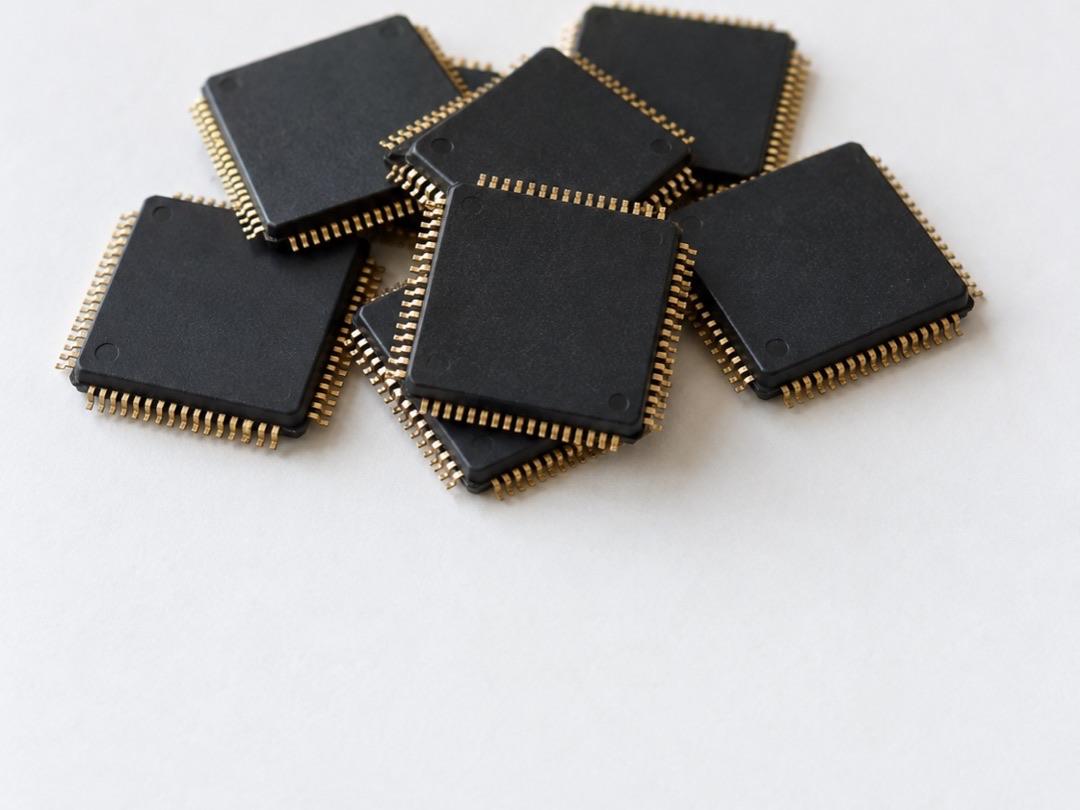
US technology stocks ended the week of October 12 lower. On Friday, October 16, 2026, the Nasdaq Composite fell more than 2% to close at 26,140.03. According to CNBC, it was the index's worst week since June.
How the main indices closed
On October 16:
- the Nasdaq Composite closed at 26,140.03, down more than 2%
- the S&P 500 fell 1.09% to 7,659.44
- the Dow Jones Industrial Average fell 0.34% to 52,002.41
The Nasdaq has a larger weighting in technology companies than the other two indices, so moves in chip and software stocks tend to affect it more.
What was behind the decline
Chip and AI-related stocks led the decline. Market reports pointed to attention on how the build-out of AI infrastructure is financed, including the borrowing used to build data centres and buy computing capacity. Earlier in the week, shares of CoreWeave, a provider of AI computing capacity, fell sharply as investors focused on its debt, and the Philadelphia Semiconductor Index declined over several sessions, according to Reuters.
According to CNBC, higher oil prices also weighed on the market. Brent crude oil traded above $100 a barrel during the week. US inflation data published earlier in the week was also higher than expected: consumer prices rose 3.7% in the 12 months to September, and producer prices rose 1.3% in September, according to the Bureau of Labor Statistics.
Why inflation and rates matter for technology stocks
Technology companies are often valued on profits expected further in the future. When inflation is higher than expected, investors may expect interest rates to stay higher for longer, which can reduce the present value of those future profits. Higher rates also increase the cost of borrowing for companies that finance expansion with debt.
The week ahead
Several large companies are scheduled to report quarterly results this week. According to StockTitan's earnings calendar:
- Netflix and SpaceX are scheduled to report after the market close on Tuesday, October 20
- Tesla and Meta Platforms are scheduled to report after the market close on Wednesday, October 21
- Procter & Gamble is scheduled to report before the market opens on Thursday, October 22
Results and comments from large technology companies on their spending plans are often watched for signals about demand for AI infrastructure.
How the indices differ
The S&P 500 tracks 500 large US companies across all sectors, while the Dow Jones Industrial Average follows 30 large companies and is weighted by share price rather than company size. The Nasdaq Composite includes more than 3,000 companies listed on the Nasdaq exchange, many of them in technology. Because of these differences, the three indices can move by very different amounts on the same day, as they did on October 16.
Monday's start
In Asia on Monday, October 19, Japan's Nikkei 225 fell about 0.8% while South Korea's Kospi rose about 1.1%, according to Share Talk. China reported third-quarter economic growth of 4.5%, above the 4.4% forecast.
What to watch
Key items for the coming days include quarterly results from large technology companies, oil prices, US Treasury yields and any comments from Federal Reserve officials ahead of the next policy decision on October 28.
Risks and uncertainties
Stock market indices can move sharply over short periods. Technology and chip stocks can be more volatile than the broader market, and moves over one week may not continue. The figures above are reported by news organisations and may be updated.
What this means for investors
For Investing.one users following technology stocks, last week's index moves and this week's results may be relevant. Past performance does not indicate future results.
Sources
This is not investment advice. Your capital is at risk. Past performance does not guarantee future returns.