Shares of CoreWeave (NASDAQ: CRWV), a provider of cloud computing capacity for artificial intelligence, fell more than 15% on Wednesday, October 14, 2026, according to Reuters. On Thursday, October 15, the shares fell as much as 8.3% to their lowest level since May 2025 before reducing their losses, Reuters reported.
What happened
According to Reuters, investors focused on CoreWeave's debt, which stands at about $50 billion. The company's bonds due 2031, issued in April, traded at a yield near 16%, and the cost of insuring its debt against default rose. Bond yields at these levels are usually associated with higher perceived credit risk.
Other AI infrastructure companies also declined. Reuters reported that shares of Nebius, Applied Digital and Iren fell between 3% and 7% on October 15.
Comments from Nvidia and CoreWeave
Nvidia (NASDAQ: NVDA) chief executive Jensen Huang commented on CoreWeave on October 15. According to media reports, he said that CoreWeave's financial position is improving and that its cost of capital is coming down. Nvidia is both a supplier and a partner of CoreWeave: according to Reuters, Nvidia has agreed to buy any unsold CoreWeave capacity through April 2032.
In an internal memo seen by Reuters, CoreWeave chief executive Michael Intrator said the company's contract backlog more than covers its debt obligations. Co-founder Brannin McBee told the Financial Times that the company is seeking an investment-grade credit rating.
About CoreWeave
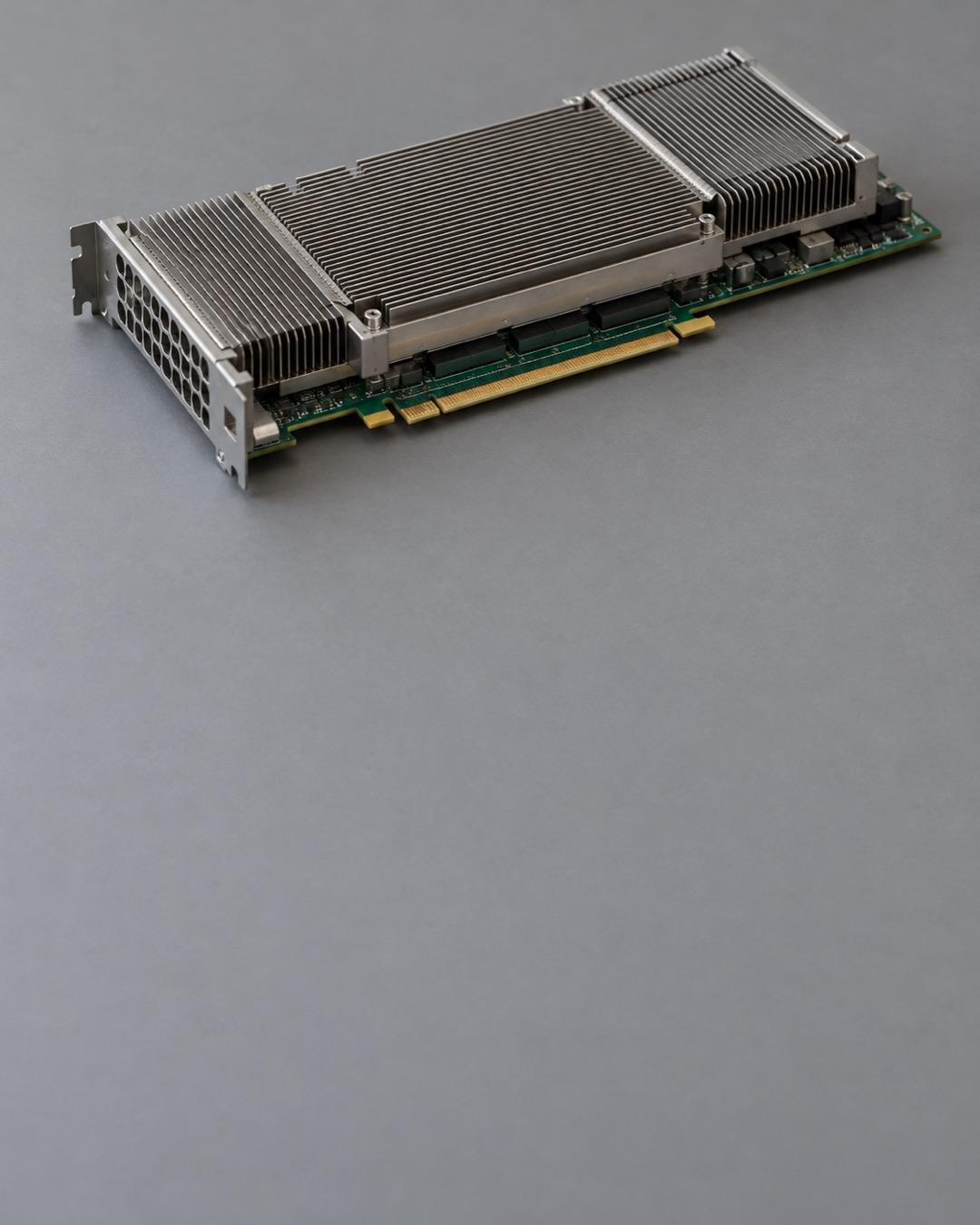
CoreWeave rents out computing capacity built on Nvidia graphics processors to companies that develop and run AI models. It went public in March 2025. In August 2026, the company raised its forecast for annual capital spending by $4 billion, to as much as $39 billion. Building data centres requires large upfront investment, and CoreWeave has used borrowing to finance much of its expansion.
Chip stocks
The decline has not been limited to CoreWeave. According to Reuters, the Philadelphia Semiconductor Index, which tracks major chip companies, fell 11.6% over six sessions to October 15, erasing more than $1.6 trillion in market value. The Nasdaq Composite fell more than 3% over the same period.
The moves came in the same week as new US inflation data. Consumer prices rose 3.7% in the 12 months to September, and producer prices rose 1.3% in September alone, the largest monthly increase since March 2022, according to the Bureau of Labor Statistics.
Why investors follow it
Large technology companies are expected to spend more than $700 billion this year on AI infrastructure, according to Reuters. Companies such as CoreWeave sit between chipmakers and AI developers, so changes in their financing conditions are often watched as an indicator of how this spending is funded.
How bond yields and default swaps work
When a company's bond price falls, its yield, the return a new buyer would receive, rises. According to Reuters, CoreWeave's bonds due 2031 last traded at 79.15 cents on the dollar, below the face value at which they would be repaid at maturity. A credit default swap is a contract that pays out if a borrower defaults, and its cost tends to rise when investors see more risk in a company's debt. Both measures are followed by bond and equity investors alike, because a company's cost of borrowing can affect its ability to fund growth.
What to watch
Key items for the coming weeks include CoreWeave's next quarterly results, any new financing or credit rating decisions, movements in its bond yields and credit default swaps, and quarterly results from chip companies and large technology firms.
Risks and uncertainties
Companies that rely on borrowing to finance growth can be affected by changes in interest rates, credit conditions and customer demand. Share prices of AI-related companies can be volatile, and recent moves may not continue. The figures above are reported by news organisations and may be updated.
What this means for investors
For Investing.one users following CRWV or NVDA, recent share price moves and the company's financing may be relevant. Past performance does not indicate future results.
Sources
This is not investment advice. Your capital is at risk. Past performance does not guarantee future returns.